
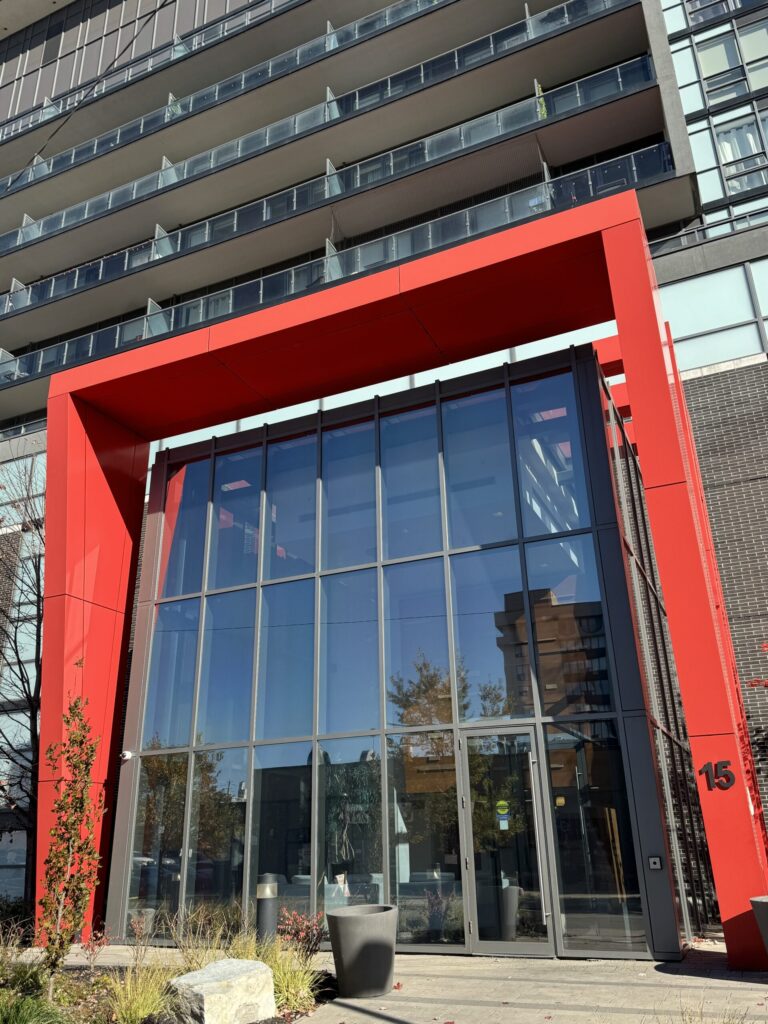
Choosing the right material for an exterior project matters. Weather changes, UV exposure, and daily wear all impact how long a finish will last. When you use vinyl wrap for outdoor applications, the material must handle these conditions while keeping a clean look. Because of this, selecting the best one for exterior building surfaces is key if you want strong results that stay consistent.
Why Exterior Vinyl Materials Matter
Outdoor surfaces face stress every day. Heat, cold, rain, and sunlight all affect how it performs. However, high-grade gives buildings a modern look without heavy construction. It also offers smoother updates, shorter project times, and easier maintenance. Even better, the right material protects the surface below while still improving visual appeal
Key Factors to Consider
Before choosing any vinyl wrap, focus on durability. Exterior locations need advanced protection since they stay exposed full-time. Look at:
- UV resistance
- Weather protection
- Adhesive strength
- Surface compatibility
- Long-term color stability
These elements decide how well stays bonded and how long the finish holds up in changing conditions.
Top Materials for Outdoor Surfaces
Not all outdoor films work the same. Some offer better flexibility, while others give stronger weather defense. Here are the leading choices when you want reliable exterior results
Cast Vinyl (Best Overall Performance)
Cast films are made through a process that keeps the material thin and flexible. This helps the vinyl wrap stay stable even in extreme heat or cold. It also reduces shrinking, which is important for large walls or textured surfaces.
Best uses:
- Exterior panels
- Large building facades
- Curved or uneven surfaces
Is the top choice when appearance and durability both matter.
Polymeric Vinyl (Strong Mid-Range Option)
This option gives solid stability at a lower cost. Because resists shrinking better than monomeric films, it works well for medium-term outdoor updates. It also keeps color longer, even under steady sun exposure.
Best uses:
- Commercial walls
- Outdoor signs
- Smooth building panels
Blends flexibility and value for many exterior builds.
Textured Exterior Vinyl (For Specialty Projects)
Some buildings need more than a smooth finish. Texture adds depth without adding weight. Stone, brushed metal, and wood-grain patterns work well for design-focused spaces.
Best uses:
- Accent walls
- Decorative exterior zones
- Branding areas
These films keep style and strength balanced, making them ideal for creative outdoor designs.
How to Choose the Right Material for Your Project
Selecting the best option depends on the conditions around the building. However, with the right one, you get both beauty and protection. Follow these steps to guide your choice:
- Check sun exposure patterns
- Identify surface texture
- Review climate conditions
- Compare long-term maintenance needs
- Evaluate color and finish goals
Because vinyl wrap responds differently across environments, this simple process avoids issues later.
Installation Tips for Better Exterior Results
Even the best materials need proper handling. A strong installation helps stay smooth and secure. Use these tips for better outcomes:
- Clean and prep all surfaces
- Remove loose paint or old films
- Keep the area dry during application
- Apply controlled heat to improve bonding
- Press edges firmly to prevent lifting
When applied with care, an exterior vinyl wrap offers long life and a clean, modern finish.
Final Thoughts
The best material depends on your design goals and environmental needs. Still, cast vinyl works as the strongest choice for most outdoor jobs, while polymeric films give a reliable mid-range option. Textured styles support creative exterior projects with unique finishes. When you match the right vinyl wrap with expert installation, your building gains lasting style, better protection, and a more modern look.